

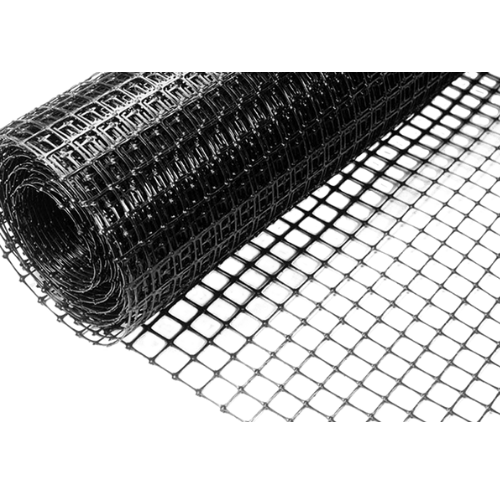
How to Stabilise Soft Ground for Roads, Working Platforms and Access Tracks
Poor ground conditions can present significant challenges on construction and civil engineering projects. Soft or unstable ground often leads to rutting, settlement, contaminated aggregate and costly delays if it is not treated correctly before construction begins.
Fortunately, modern ground stabilisation techniques allow weak ground to be reinforced without always resorting to deep excavation or excessive quantities of imported stone.
In this guide, we’ll explain what causes soft ground, why it creates problems and how geotextiles, geogrids and geocomposite solutions can be used to create stronger, longer-lasting foundations for roads, working platforms and access tracks.
Topics Covered
- What causes soft ground?
- Why is soft ground a problem?
- Common ground stabilisation methods
- When should a geotextile be used?
- When should a geogrid be used?
- When should both be used together?
- What is a geocomposite?
- Typical applications
- Choosing the right solution
- Frequently asked questions
What Causes Soft Ground?
Soft ground can occur naturally or develop as a result of poor drainage, previous land use or unsuitable ground conditions. If not addressed correctly, it can affect the stability and long-term performance of roads, hardstandings and other civil engineering structures.
Common causes of soft ground include:
- Clay-rich soils
- Silts and loose sands
- Peat and organic soils
- High groundwater levels
- Poor site drainage
- Made ground and fill materials
- Saturated subgrades
- Repeated trafficking during wet weather
These conditions reduce the bearing capacity of the ground, making it more susceptible to movement under load. Before construction begins, it is important to assess the site conditions so the most appropriate ground stabilisation solution can be selected.
Why Is Soft Ground a Problem?
Building directly onto weak or unstable ground can result in a range of structural and operational issues, particularly where heavy construction traffic or long-term loading is expected.
Common problems include:
- Rutting under traffic
- Uneven settlement
- Aggregate contamination
- Loss of sub-base strength
- Standing surface water
- Increased maintenance costs
- Construction delays
- Reduced pavement life
In many cases, simply adding more aggregate does not solve the underlying problem. Without adequate separation or reinforcement, the stone can become contaminated by the underlying soil, reducing its effectiveness and leading to further settlement over time.
Selecting the correct ground stabilisation method at the design stage can help improve long-term performance while reducing excavation, imported materials and future maintenance.
Common Ground Stabilisation Methods
There are several methods of improving weak ground, with the most appropriate solution depending on the site conditions, loading requirements and project design.
The most commonly used ground stabilisation methods include:
- Geotextiles
- Geogrids
- Geocomposites
- Capping layers
- Ground replacement
- Soil improvement techniques
For many construction projects, geotextiles and geogrids provide a practical and cost-effective solution that can significantly improve the performance of roads, working platforms and access tracks.
When Should a Geotextile Be Used?
Geotextiles are typically used where separation, filtration and drainage are required.
Installed between the natural ground and aggregate layer, a geotextile helps prevent fine soils from migrating into the sub-base while allowing water to pass through.
Typical applications include:
- Access roads

- Driveways
- Car parks
- Drainage systems
- Construction compounds
- General ground improvement
By maintaining separation between the subgrade and aggregate, geotextiles help preserve the strength of the sub-base and improve long-term performance.
When Should a Geogrid Be Used?
A geogrid is used where additional reinforcement is required to improve the stability of weak ground.
As the aggregate interlocks with the geogrid, a mechanically stabilised layer is formed that distributes loads more effectively and reduces movement within the sub-base.
Geogrids are commonly specified for:
- Haul roads

- Working platforms
- Industrial yards
- Access roads
- Commercial developments
- Housing developments
- Solar farm infrastructure
Where ground conditions are particularly poor, a geogrid can improve bearing capacity while helping reduce rutting and long-term settlement.
When Should Both Be Used Together?
In many civil engineering projects, a geotextile and geogrid are installed together because they perform different but complementary functions.
A typical construction build-up consists of:
- Natural subgrade
- Geotextile
- Geogrid
- Compacted aggregate
In this arrangement:
- The geotextile provides separation and filtration.
- The geogrid provides reinforcement and load distribution.
Using both products together helps create a stronger, more durable foundation, particularly where weak ground, poor drainage or heavy trafficking are expected.
What Is a Geocomposite?
A geocomposite combines the functions of a geogrid and a geotextile into a single product.
By integrating reinforcement, separation and filtration within one solution, geocomposites can reduce installation time while simplifying the construction process.
They are commonly used for:
- Access roads
- Working platforms
- Construction compounds
- Industrial developments
- Renewable energy projects
Where appropriate, a geocomposite can provide an efficient alternative to installing separate geotextile and geogrid layers.
Choosing the Right Ground Stabilisation Solution
Every construction project is different, which means there is no single solution suitable for every site.
The most effective ground stabilisation method will depend on the ground conditions, loading requirements and intended use of the finished surface.
As a general guide:
A geotextile may be suitable where:
- Ground separation is required
- Drainage is important
- Aggregate contamination is a concern
- Ground conditions are relatively stable
A geogrid may be suitable where:
- Ground reinforcement is required
- Heavy vehicle traffic is expected
- Weak subgrades require strengthening
- Long-term load distribution is essential
A geocomposite may be suitable where:
- Reinforcement and separation are both required
- Installation efficiency is important
- Construction time needs to be reduced
- Multiple ground improvement functions are needed
Before selecting a solution, it is important to consider:
- Ground conditions
- Soil type
- Traffic loading
- Aggregate specification
- Drainage requirements
- Design life
- Site investigation data
Where ground conditions are particularly challenging, professional engineering advice should always be sought to ensure the most appropriate geosynthetic solution is specified.
Frequently Asked Questions
What is the best way to stabilise soft ground?
There is no universal solution. Depending on the site conditions, ground stabilisation may involve geotextiles, geogrids, geocomposites or other engineered ground improvement techniques.
Can a geogrid be installed without a geotextile?
Yes, in some applications. However, where separation between the subgrade and aggregate is required, a geotextile is often installed beneath the geogrid.
Will adding more aggregate solve soft ground?
Not always. If the aggregate becomes contaminated by the underlying soil, the sub-base can lose strength over time. In many cases, a geotextile, geogrid or geocomposite provides a more effective long-term solution.
What is the difference between a geogrid and a geocomposite?
A geogrid provides reinforcement by improving load distribution within the aggregate layer. A geocomposite combines a geogrid with a non-woven geotextile, providing reinforcement, separation and filtration in a single product.
Can geosynthetics reduce construction costs?
In many projects, yes. By improving the performance of the sub-base and reducing unnecessary excavation or imported aggregate, geosynthetics can contribute to a more efficient and economical construction solution. Any savings should always be assessed as part of the overall project design.
Conclusion
Soft ground is a common challenge across construction, infrastructure and civil engineering projects, but with the correct approach it can be stabilised effectively and economically.
Understanding when to use a geotextile, geogrid or geocomposite is key to achieving a durable foundation that performs over the long term.
By selecting the right solution for the site conditions, contractors and engineers can improve ground stability, reduce maintenance requirements and build with greater confidence.
Related Products
The following products are commonly used for ground stabilisation and geosynthetic applications:
- TerraGrid Core 20 Biaxial Geogrid
- TerraGrid Core 30 Biaxial Geogrid
- TerraGrid Core 40 Biaxial Geogrid
- TerraGrid Core Composite 3030
- MultiTrack 1000 Non-Woven Geotextile
- FasTrack Orange Woven Geotextile
- TerraTrack Pro 300gsm Protection Fleece
Related Articles
Continue learning with our technical guides:
- Geogrid vs Geotextile: What’s the Difference?
- Why Are Some Geotextiles Orange?
- What Is a Geogrid? Uses, Benefits and How It Works
Typical Project Examples
Ground stabilisation solutions are commonly specified across a wide range of construction and civil engineering projects.
Typical applications include:
- Temporary access roads
- Construction haul roads
- Working platforms
- Crane pads
- Industrial hardstandings
- Commercial developments
- Housing developments
- Farm access tracks
- Solar farm infrastructure
- Site compounds
The most appropriate solution will depend on the site conditions, traffic loading and project requirements. In many cases, geotextiles, geogrids or geocomposites are used together to achieve the required level of performance.
