

Topics covered:
Why geotextile membranes are used in horse arena construction
The role of separation and filtration in maintaining arena drainage
Understanding different geotextile weights (gsm) and their applications
Why 300gsm geotextile membranes are commonly used for equestrian arenas
Typical horse arena base construction and where the membrane is installed
Choosing the correct geotextile roll size for your project
Practical considerations when installing geotextile membranes in arena bases
What Geotextile Membrane Should You Use for a Horse Arena?
Horse arenas rely on a stable and well-drained base to ensure consistent riding conditions and long-term durability. One of the most important components in the construction of an equestrian arena is the geotextile membrane, which separates the sub-base from the underlying soil and prevents contamination of the riding surface.
Choosing the correct geotextile grade is essential to ensure the arena remains stable and free draining over time.
Why Geotextile Membranes Are Used in Horse Arenas
Geotextile membranes are installed between soil and aggregate layers to:
- prevent sub-base contamination
- maintain drainage performance
- stabilise the arena base
- extend the lifespan of the surface
Without a suitable membrane, fine soil particles can migrate into the stone layer, leading to poor drainage and an unstable riding surface.
Typical Horse Arena Base Construction
A typical equestrian arena build-up includes:
-
Subgrade soil
-
Geotextile membrane separation layer
-
Crushed stone drainage layer
-
Secondary membrane (optional)
-
Sand or fibre riding surface

The geotextile membrane plays a key role in maintaining separation between the soil and the drainage aggregate.
What Weight of Geotextile Should Be Used?
Geotextiles are available in different weights measured in grams per square metre (gsm).
Lightweight Membranes (100gsm)
These are typically used for landscaping or garden projects but are generally not strong enough for equestrian arena bases where higher loads and movement occur.
Heavy Duty Membranes (300gsm)
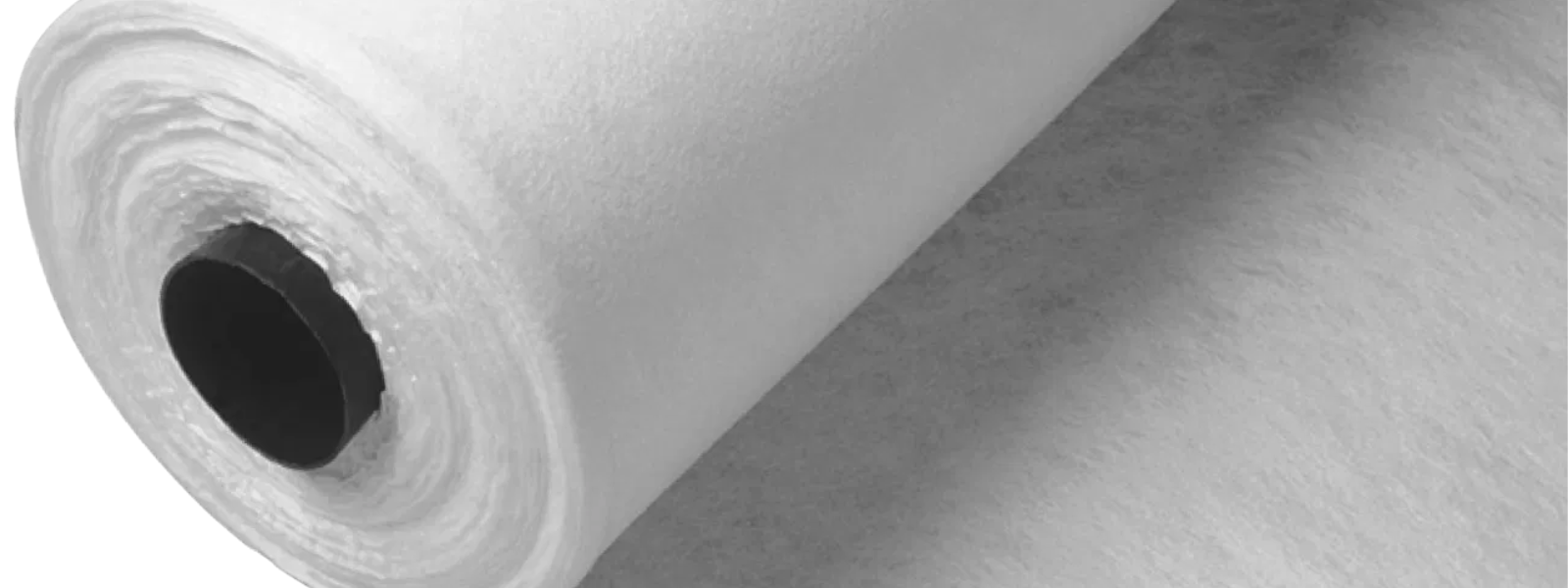
For most arena construction projects, a 300gsm non-woven geotextile is recommended due to its higher puncture resistance and durability.
This type of membrane provides reliable separation and filtration while withstanding the loading from stone layers and ongoing arena use.
Choosing the Right Roll Size
Geotextile membranes are supplied in different roll widths depending on project size.
Common options include:
- For smaller installations or landscaping work 2.25m x 25m rolls are often the most practical.
-
For larger arena builds, contractor rolls such as 2.25m x 90m contractor rolls provide greater coverage and reduce the number of overlaps required.
-
For large-scale arena construction and civil projects, wider rolls such as 4.5m x 90m rolls are often preferred as they minimise installation joints.
Wider rolls reduce the number of overlaps required during installation.
For most equestrian arena projects, a 300gsm non-woven geotextile membrane provides the durability and filtration performance required for long-term ground stabilisation.
Conclusion
Selecting the correct geotextile membrane is essential for creating a durable and well-drained horse arena. Heavy-duty non-woven membranes in the 300gsm range provide the strength and filtration performance required for most equestrian applications.
Choosing the correct roll size can also help reduce installation time and ensure consistent coverage across the arena base.
If you require assistance selecting the correct specification or need pricing for project quantities, our team is happy to help.
Contact us on 03338803558 or info@drainageandcivilsdirect.co.uk and we’ll point you to the right product and get it delivered fast.
