

Introduction
Radon is a naturally occurring radioactive gas that can accumulate in buildings if appropriate protection measures are not installed. In construction projects where ground gas risks have been identified, effective gas protection systems are essential to prevent radon entering occupied spaces.
For civil engineers, contractors and developers, installing the correct gas protection system is a key part of ensuring building regulation compliance and long-term building safety.
Radon membranes are commonly used alongside other components such as radon sumps and sealed pipe penetrations to create a complete gas protection system.
Why Radon Protection is Important
Health and Safety
Long-term exposure to radon gas increases the risk of lung cancer, which is why radon protection measures are required in certain parts of the UK.
Regulatory Compliance
UK building regulations require radon protection systems to be installed in radon affected areas, particularly on new residential and commercial developments.
Ground Gas Risk Management
Radon protection systems help prevent gases migrating through floor slabs and service penetrations into buildings.
What Is a Radon Membrane?
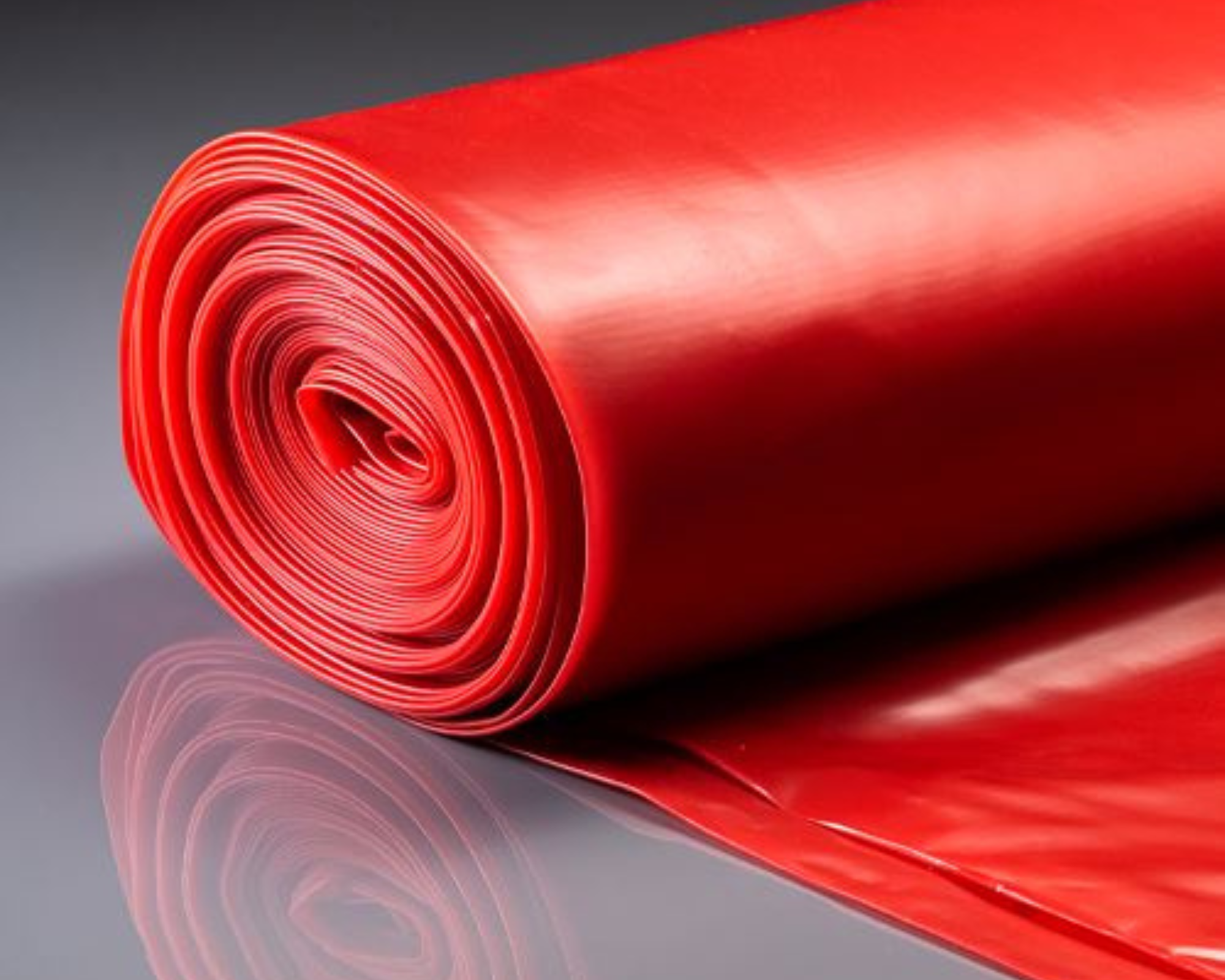
A radon membrane is a specialist gas barrier installed beneath concrete floor slabs or within foundation structures to prevent radon gas entering the building.
These membranes are typically manufactured from reinforced polyethylene and are designed to provide both moisture protection and resistance to gas transmission.
Where site investigations identify ground gas risks, radon membranes are commonly specified as part of a wider gas protection system.
If you’re unsure how gas barrier membranes differ from standard damp proof membranes, see our guide Gas Membrane vs DPM – What’s the Difference?
Radon Protection Systems
On many construction projects, radon protection involves more than just the membrane itself.
Typical components include:
- radon membrane
- radon sump
- ventilation pipework
- sealed pipe penetrations
- jointing tapes and detailing components
These elements work together to ensure the gas barrier remains fully sealed throughout the structure.
Installation Considerations
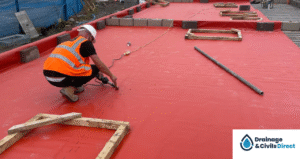
For radon membranes to function correctly, careful detailing is required during installation.
Key considerations include:
- sealing overlaps with specialist jointing tapes
- ensuring pipe penetrations are fully sealed
- maintaining continuity of the gas barrier beneath the slab
Pipe penetrations are typically sealed using accessories such as Visqueen Top Hat Units to maintain the integrity of the membrane system.
Typical Applications
Radon membranes are commonly specified on:
- residential new-build developments
- commercial construction projects
- brownfield land redevelopment
- developments in designated radon areas
They are also frequently used alongside gas barrier membranes and radon sumps as part of a comprehensive gas protection strategy.
Radon Membranes from Drainage & Civils Direct
At Drainage & Civils Direct, we supply a range of Visqueen radon protection membranes and gas protection accessories suitable for residential, commercial and civil engineering projects.
Our range includes:
- radon barrier membranes
- pipe penetration seals
- jointing tapes
- accessories required for gas protection systems
Browse our range of radon membranes and gas barrier products or contact our team for advice on selecting the correct specification.
For advice on selecting the right radon protection system or to place an order, contact our team today on 03338803558 or info@drainageandcivilsdirect.co.uk we’re happy to provide quotes and technical guidance.
