

Topics covered:
- What is sewage treatment?
- Why is it important?
- What is the difference between a septic tank and a sewage treatment plant?
- How often so I need to service my sewage treatment system?
What is sewage treatment, and why is it important?
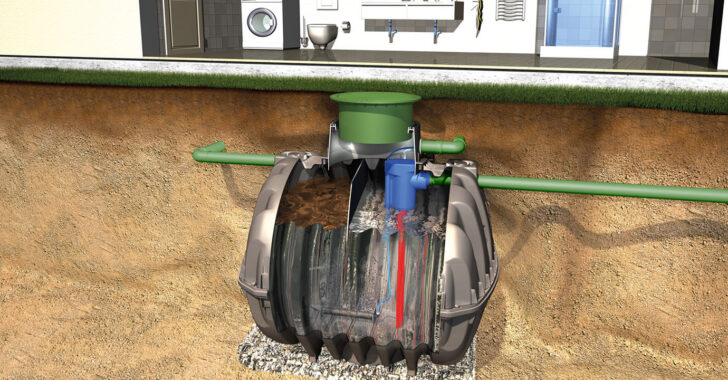
If your property can’t connect to the main sewer, a packaged sewage treatment plant is the best, cost-effective, and eco-friendly option. This underground system cleans wastewater to a safe level. The treated water can then be released into streams, rivers, or into the ground through a soakaway, as long as you have the right permissions.
Sewage treatment is the process of cleaning wastewater from homes, businesses, and industries before release back into the environment.
This wastewater contains everything we flush down our drains, including human waste, soap, food scraps, and chemicals. Without proper treatment, these harmful substances can pollute rivers, lakes, and oceans, affecting wildlife and human health.
Why Is It Important?
Sewage treatment is essential for many reasons, as neglecting it can have serious consequences for both the environment and our health:
- harmful germs and chemicals could get into our drinking water making people and animals sick
- helps keep rivers and oceans clean for plants and wildlife
- untreated sewage can pollute groundwater and nearby seas and oceans
Treated water can even be reused for farming, landscaping, or factories, which helps save fresh water. Overall, sewage treatment is crucial for protecting our planet and using water wisely.
What is the difference between a septic tank and a sewage treatment plant?
A septic tank primarily separates solids from wastewater, allowing the liquid to flow into a drainage field or soakaway for basic treatment. It relies on natural bacteria to break down waste, but the water is not fully treated.
A sewage treatment plant treats wastewater to a higher standard by using mechanical and biological processes to clean it. The treated water is much safer and can be discharged directly into the environment
How to calculate which sewage treatment system is right for my property?
Choosing the right sewage treatment system for your property depends on a few key factors:
- First, think about property size and usage. How many people live or work on the property? More people mean more wastewater, so you’ll need a system that can handle the load
- Next, check your local regulations. Some areas have rules about what types of systems are allowed, so it’s important to make sure your choice meets local standards
- The condition of your soil also matters. A soil test can tell you how well the ground drains, which affects what type of system you can use. For example, if your soil doesn’t drain well, you might need an advanced system like an aerobic treatment unit
- Also, consider available space. Septic systems need more room for a drainage field, while compact systems like package treatment plants are better for smaller lots
- Finally, think about your budget. Some systems are cheaper to install, but may cost more to maintain. It’s important to balance both installation and long-term costs.
To make the best decision, it’s a good idea to consult with a sewage treatment professional, who can assess your property and recommend the right solution.
How often do I need to service my sewage treatment system?
Maintenance is crucial for the effective functioning of sewage systems; regular removal of sludge and inspection of essential components such as compressors, motors, pumps, and control panels .
Generally, they should be inspected and serviced annually, but this can vary based on the system type and usage.
